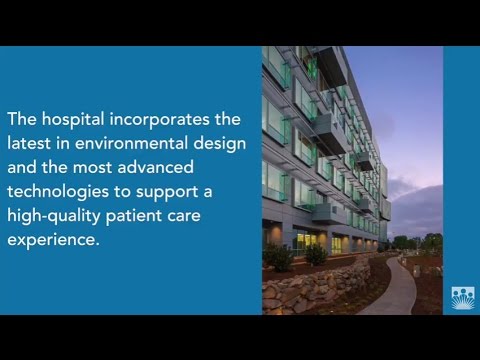
On December 10,2025 , the first all-electric hospital in America opened its doors. UCI Health-Irvine, a 144-bed facility in California was designed from the ground up to operate entirely on electricity, with no natural gas infrastructure. All power is supplied through on-site solar generation and other sustainable sources, supported by water recycling and a range of energy-efficient building systems. The goal: to reduce the hospital’s carbon footprint dramatically without compromising clinical performance.
Other major health care systems (e.g., Providence, Atrium Health, Northwell Health, Ascension) have set net-zero goals for 2040–2050 as part of broader corporate climate strategies. Others, such as Penn Medicine, have signed ambitious national pledges promising to significantly cut and, eventually, eliminate its carbon emissions.
THERE ARE MANY ACTIONS FOR HOSPITALS TO TAKE
Hospitals can reduce climate change risks by decreasing energy and waste, improving supply chains, and building resilience. This includes switching to clean energy and LED lighting, improving energy efficiency and insulation, and implementing waste reduction strategies like recycling and water conservation. Additionally, hospitals can decarbonize clinical practices, purchase sustainable products, and develop plans to adapt their facilities to climate impacts like extreme weather.
OPERATIONAL AND INFRASTRUCTURE CHANGES
Reduce energy consumption: Upgrade to energy-efficient systems like LED lighting, improve building insulation, and ensure equipment like computers and monitoring devices are turned off when not in use.
Switch to clean energy: Install solar panels, heat pumps, energy storage batteries, and participate in power purchase agreements for renewable electricity.
Minimize waste: Implement comprehensive recycling programs, purchase products with recycled content, and use water conservation methods to reduce water and energy bills.
Decarbonize transportation: Use electric ambulances and minimize vehicle idling to reduce fuel consumption.
CLINICAL AND SUPPLY CHAIN ADJUSTMENTS
Implement greener clinical practices: Transition to renewable energy sources, implement comprehensive recycling and waste reduction programs, use eco-friendly cleaning supplies, and adopt sustainable procurement policies. Other important measures include minimizing water use, promoting sustainable transportation, and leveraging digital tools to reduce paper consumption.
Strengthen supply chains: Focus on sustainable production and procurement for goods and services, as well as reducing emissions from the energy grid.
RESILIENCE AND COMMUNITY ENGAGEMENT
Adapt facilities: Upgrade infrastructure to be resilient to climate impacts such as extreme heat, flooding and other natural disasters.
Educate patients: Inform patients about the health impacts of climate change and how to protect themselves from environmental hazards like smoke and heat.
Promote sustainable models of care: Encourage virtual care and move services closer to patients' homes to reduce travel emissions.
LEADERSHIP AND COLLABORATION
Set goals: Measure and report progress on reducing greenhouse gas emissions to drive accountability.
Collaborate: Partner with other organizations to share resources, expertise, and achieve economies of scale for sustainable initiatives.
Kaiser Permanente San Diego Opens New LEED Platinum Hospital to Patients
he health sector is responsible for nearly 5% of all global greenhouse gas emissions, along with substantial amounts of other environmental pollution that severely affect human health.1,2 Hospitals account for a substantial share of these…
The health care sector reached a major milestone this month with the opening of the nation’s first all-electric acute care hospital. UCI Health-Irvine, a new 144-bed facility, officially opened its doors on Dec. 10, setting…
UCI Health is building what may be the first all-electric, zero-emission hospital in the nation in Irvine. The Director of Facilities with UCI Health, Joe Brothman, said there were a lot of eyes on this…
Many health systems have pledged to change their strategies in order to meet climate goals, some set individually and others as part of a national agenda. Five of the biggest health systems have also made…
"The design of eco-friendly, energy-efficient, green construction projects has been gaining attention in all quarters, from the construction of private homes, office buildings, to large buildings such as hospital complexes. In the health sector, the…
An LWK + PARTNERS director who leads the practice’s healthcare and senior living team, shares the trends of healthcare spaces and the role of design in improving people’s experience in complex facilities.
Disaster preparedness was on the minds of everyone involved in the design of the new emergency department (ED) and hospital expansion at the University of Virginia (UVA) in Charlottesville. But, at the time, they were thinking more…
That's why this new "Restackable COVID Hospital" developed and built by Broad Sustainable Building is so interesting. It is transported as if it was a shipping container and then folds out to make larger spaces.…
The built environment influences health. A host of contemporary environmental health problems – climate change, toxic pollution, biodiversity loss and more – can be linked to the production and maintenance of the built environment.
Ben Scott, a partner at Foster + Partners, said that, “The Shanghai Luye Lilan Hospital offers an opportunity to create a new world-leading blueprint for healthcare in the future, integrating the latest technology and patient-centric care in…
In collaboration with Health Care Without Harm, Arup has estimated the healthcare sector’s global climate footprint, establishing for the first time the significance of healthcare’s contribution to the climate emergency.
Green hospital concepts will play an important part in the curative process in time to come. Instead of being referred to as a place that houses healthcare amenities, hospitals of tomorrow will now focus on…
The Canadian Coalition for Green Health Care (The Coalition) is pleased to announce the seventh year of the Green Hospital Scorecard (GHS) program and is extending an invitation for all hospitals to participate! Last year…
The sustainability craze has reached the healthcare industry, as designers look to build new, state-of-the-art "green" facilities and existing hospitals upgrade their energy policies. Jeff Hull, director of architecture, construction, and real estate with Idaho…
Entire industries and companies have gotten on the “green” bandwagon by supporting technologies that minimize impact on the environment. In the past 10 years, we have seen the emergence of green buildings, which help the…